Petrol vs Diesel – Which Fuel Is Better for Your Vehicle?
A clear, practical comparison of Petrol vs Diesel engines covering performance, running costs, maintenance, and which one actually suits the way you drive.
One of the most common questions car buyers ask is whether to choose a Petrol vs Diesel or a diesel engine. Both technologies have improved significantly over the years, and neither is universally “better” — the right choice depends on how much you drive, the type of driving you do, and what you value most: lower upfront cost, long-term fuel savings, or driving refinement. This guide breaks down the real differences so you can match the engine to your actual needs rather than general assumptions.
Petrol
VS
Diesel
How the Petrol vs Diesel Two Engines Actually Differ
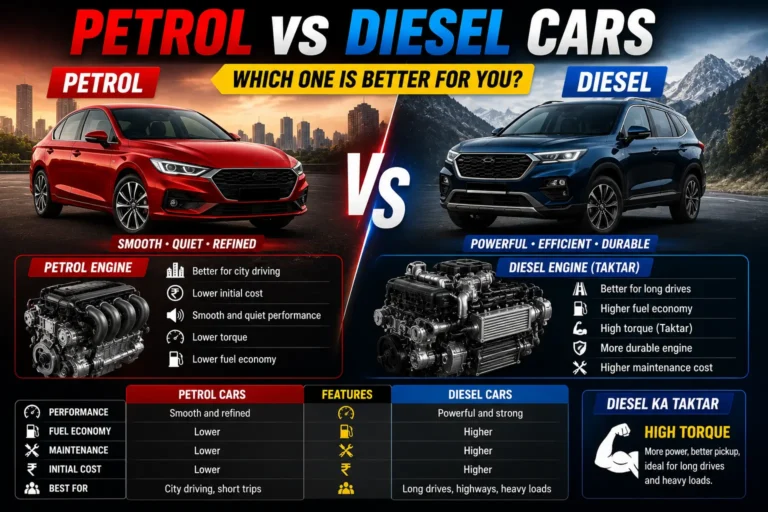
Petrol vs Diesel engines ignite a mix of fuel and air using a spark plug, which allows them to rev higher and deliver power more smoothly across the rev range. Diesel engines instead compress air until it becomes hot enough to ignite the fuel on its own, without a spark. This compression-based process is what gives diesel engines their characteristic strong low-end pulling power, along with generally better fuel efficiency, at the cost of a slightly noisier and more mechanical driving feel.
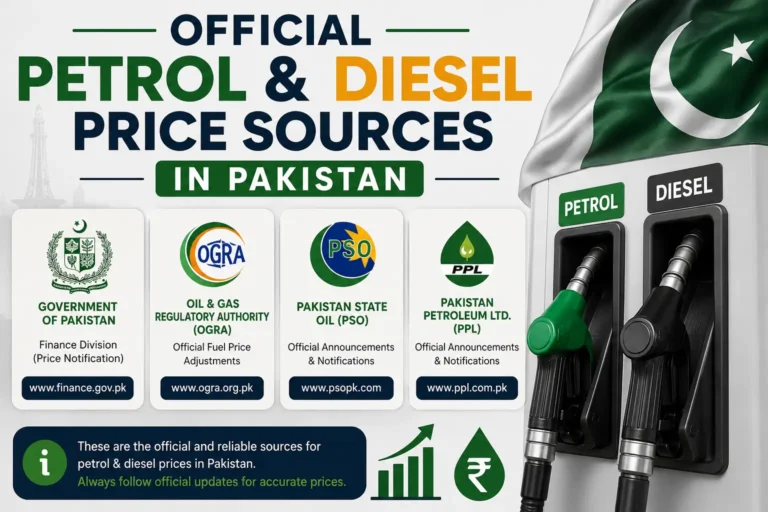
Also Read:https://petrolpricepakistan.online/latest-petrol-diesel-prices/
Side-by-Side Comparison
| Factor | Petrol | Diesel |
|---|---|---|
| Fuel efficiency | Good for short, city-based trips | Better on longer, steady-speed drives |
| Purchase price | Generally lower | Usually higher upfront |
| Maintenance cost | Typically cheaper to service | Often more expensive parts and servicing |
| Engine noise & refinement | Quieter, smoother at high revs | More audible, especially at idle |
| Low-end pulling power | Moderate | Strong, ideal for towing and loads |
| Best suited for | City driving, shorter commutes | Long highway distances, heavy loads |
| Engine lifespan | Long, with regular care | Often longer, built for durability |
| Resale value | Steady in most markets | Can vary depending on regional demand |
Strengths and Trade-offs of Each Fuel Type
Petrol vs Diesel — Where It Wins
Diesel — Where It Wins
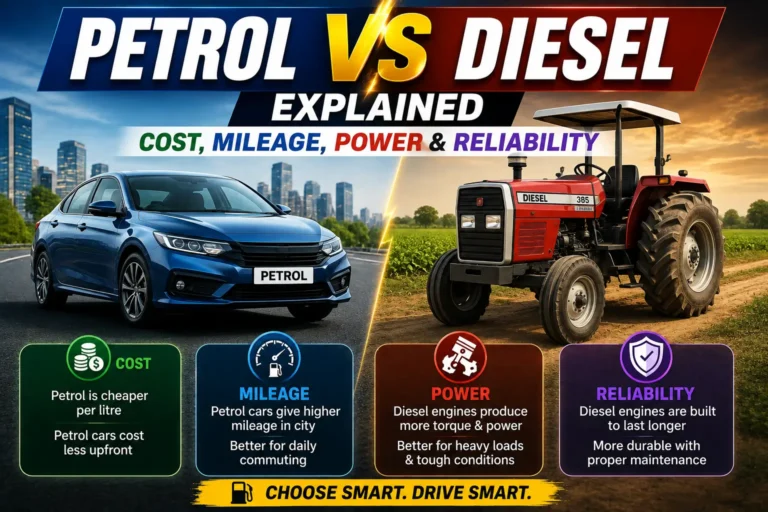
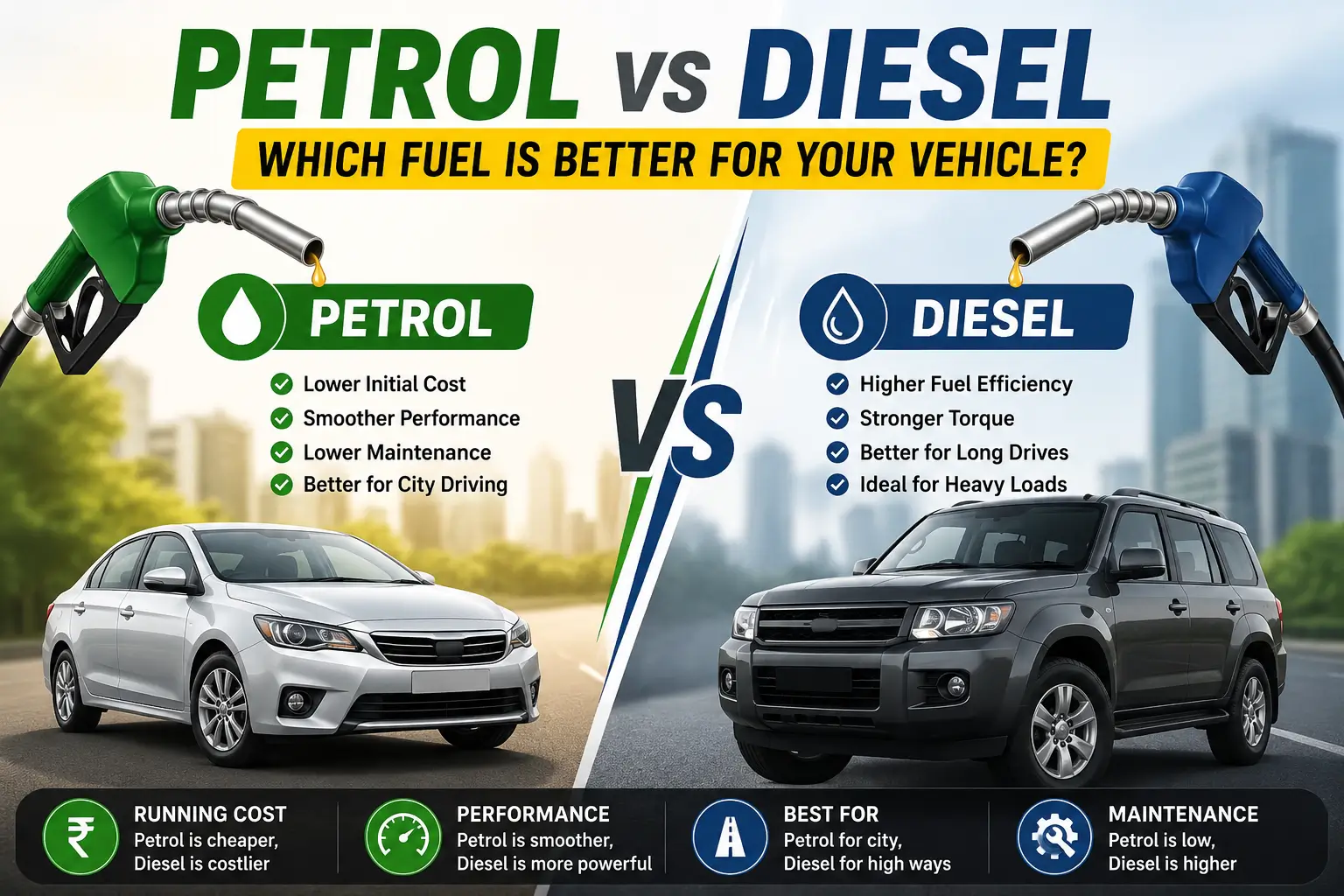
Bottom line: If most of your driving is short city trips, Petrol vs Diesel usually makes more financial sense. If you regularly cover long distances or carry heavy loads, diesel’s efficiency and torque advantage often pay off over time.
Running Costs Over Time
The purchase price is only part of the picture. Diesel vehicles tend to cost more upfront and can have pricier scheduled maintenance, but they typically use less fuel per kilometre on highway journeys, which can offset the higher initial cost over several years of heavy use. Petrol vehicles are usually cheaper to buy and service, but the fuel efficiency advantage narrows or disappears in stop-and-go city traffic, where diesel’s benefits are less pronounced. The right answer depends heavily on annual mileage — the more you drive long distances, the more diesel’s efficiency tends to matter.
Maintenance Differences You Should Know
Diesel engines rely on a fuel injection system that operates at very high pressure, and components like injectors and fuel filters need careful, timely servicing. Diesel particulate filters and emissions systems also require occasional attention on newer vehicles. Petrol engines are generally simpler and cheaper to maintain, with spark plugs and ignition components being the main wear items. For owners who prefer lower servicing bills and easier access to affordable mechanics, petrol is usually the more forgiving option.
Emissions and Environmental Considerations
Modern diesel engines are more fuel-efficient, which generally means lower carbon dioxide output per kilometre travelled compared to a similarly sized petrol engine. However, older diesel engines and those without modern emissions filtering can produce higher levels of particulate matter and nitrogen oxides, which are more directly linked to local air quality issues. Newer diesel vehicles with updated emissions control technology have narrowed this gap considerably, so the vehicle’s age and technology matter as much as the fuel type itself.
Which One Should You Choose?
There is no single correct answer — the better fuel type depends on your driving pattern. City commuters who rarely leave urban roads generally get better value from a Petrol vs Diesel engine thanks to lower purchase and servicing costs. Drivers who regularly travel long distances, tow trailers, or carry heavy loads tend to benefit more from a diesel engine’s efficiency and torque. It is worth calculating your typical annual mileage and comparing it against the price difference between Petrol vs Diesel versions of the same vehicle before deciding.