Select How to Save Fuel in Petrol & Diesel Vehicles
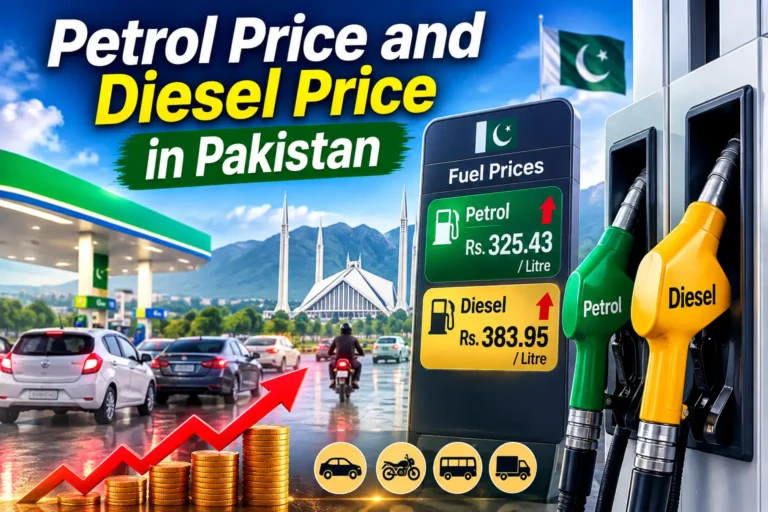
With fuel prices constantly changing and rising fortnightly across Pakistan, getting the most out of every litre of petrol or diesel has become more important than ever. The good news is that fuel economy isn’t just about the type of engine you drive — it’s heavily influenced by your driving habits, how well you maintain your vehicle, and a few smart choices you make every day on the road. Select How to Save Fuel Whether you drive a small hatchback, a family sedan, or a diesel-powered SUV, the tips below can help you stretch every tank further and cut down your monthly fuel bill.
In this guide, we’ll walk through practical, easy-to-follow tips — from vehicle maintenance to driving behaviour — that are proven to improve fuel efficiency in both petrol and diesel vehicles.
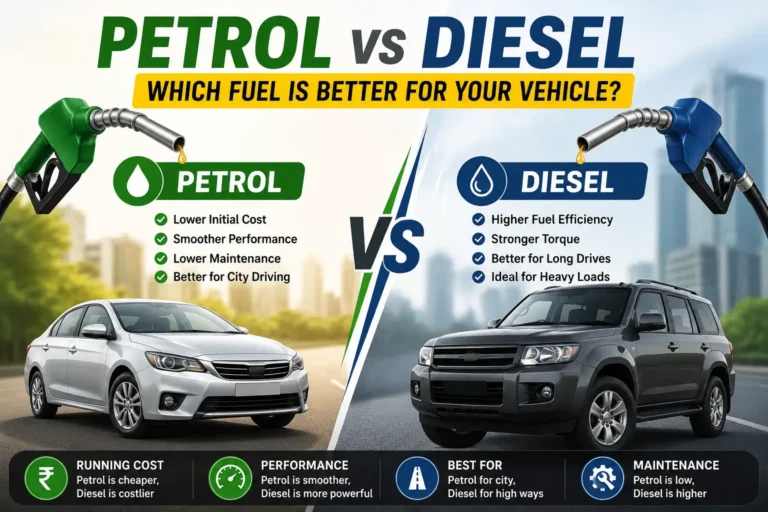
Also Read: https://petrolpricepakistan.online/petrol-vs-diesel/
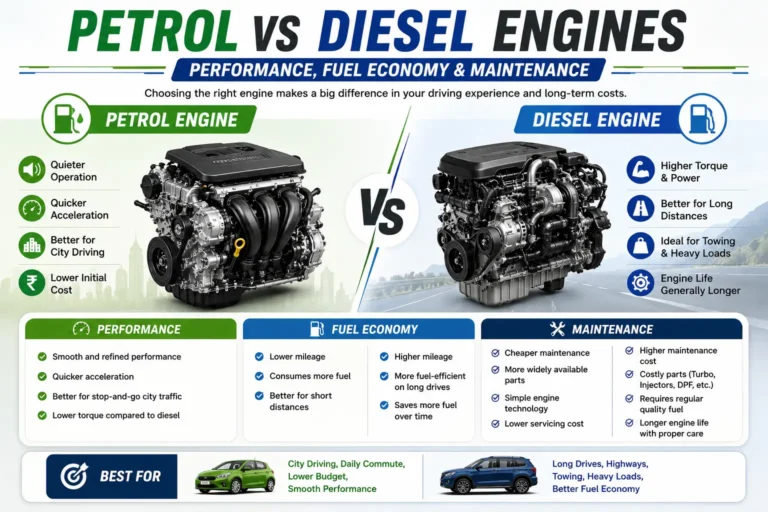
Quick Comparison: Petrol vs. Diesel Fuel Efficiency
| Aspect | Petrol Vehicles | Diesel Vehicles |
|---|---|---|
| Typical fuel efficiency | Good for city driving, lighter vehicles | Better on highways and for heavier loads |
| Engine maintenance needs | Spark plugs, ignition system | Fuel injectors, glow plugs, filters |
| Sensitivity to driving style | High — aggressive driving lowers mileage quickly | Moderate — but idling wastes more diesel over time |
| Best use case | Short trips, city commuting | Long-distance travel, heavy loads |
Practical Tips to Save Fuel
Keep Your Vehicle in Shape
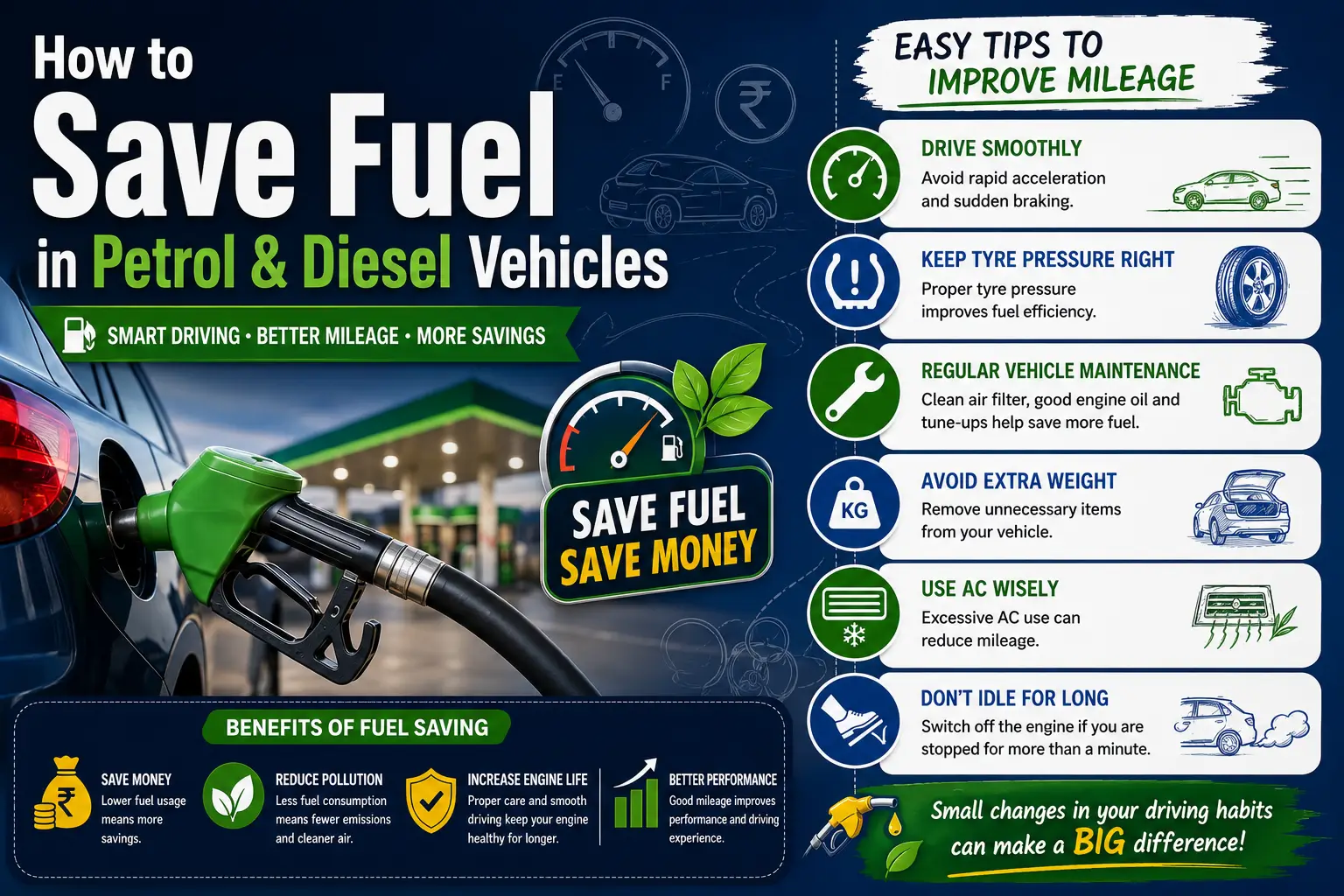
Like any machine, your car needs regular tune-ups. Get your vehicle serviced by qualified technicians who can properly check the engine, sensors, and onboard computer systems, since a poorly tuned engine burns more fuel than necessary.
2. Watch Tyre Pressure
Under-inflated tyres increase rolling resistance, which forces the engine to work harder and consume more fuel. Check your tyre pressure regularly and keep it at the manufacturer’s recommended level.
Replace Spark Plugs and Filters on Time
Worn-out spark plugs, timing belts, hoses, and filters reduce combustion efficiency. Have these replaced at the intervals recommended in your vehicle’s manual.
Inspect and Clean Air Filters
A clogged air filter restricts airflow into the engine, forcing it to burn more fuel to compensate. Check and replace your air filter regularly, especially if you drive on dusty or unpaved roads.
Avoid Aggressive Acceleration and Braking
Quick acceleration and hard braking can lower fuel economy significantly. Apply the accelerator and brakes gently and smoothly for better mileage.
Maintain a Steady, Moderate Speed
Driving at very high speeds increases aerodynamic drag and fuel consumption. Keeping your speed moderate and consistent, especially on highways, can noticeably improve mileage.
Avoid Unnecessary Idling
Letting your engine idle for long periods — while waiting or during traffic stops — wastes fuel without covering any distance. Turn off your engine if you expect to be stationary for more than a minute.
Plan Your Routes in Advance
Frequent starting, stopping, and getting stuck in avoidable traffic wastes fuel and adds strain on the engine. Planning your route ahead of time, and avoiding peak rush-hour traffic where possible, helps save fuel.
Travel Light
Extra weight in your trunk or cabin means your engine has to work harder, using more fuel. Remove unnecessary items from your vehicle, especially for smaller, lighter cars where the impact is greater.
Shift Gears at the Right RPM
If you drive a manual transmission vehicle, shift to a higher gear as soon as it’s safe to do so, without over-revving the engine. Driving in a lower gear than necessary wastes fuel.
11. Use Air Conditioning Wisely
Running the air conditioner, especially at high settings, increases fuel consumption. Use it moderately, and consider natural ventilation at lower speeds when possible.
Combine Multiple Errands into One Trip Select How to Save Fuel
Several short trips from a cold engine use more fuel than a single longer trip, since the engine runs more efficiently once warmed up. Select How to Save Fuel Try to combine errands into a single outing whenever possible.
Fuel-Saving Habits for Diesel Vehicles Specifically
Diesel engines respond differently to driving habits compared to petrol engines. A few diesel-specific tips include avoiding prolonged idling, since diesel engines can waste more fuel at idle than petrol engines; driving at a steady highway speed, where diesel engines are typically most efficient; and keeping fuel injectors and glow plugs well maintained, Select How to Save Fuel since diesel combustion is highly sensitive to injector performance.
Select How to Save Fuel Habits for Petrol Vehicles Specifically
Petrol engines are more sensitive to aggressive driving and short-trip usage. Select How to Save Fuel To maximize efficiency, avoid frequent hard acceleration from a standstill, keep the engine properly tuned to prevent misfiring, and avoid excessive short trips that don’t allow the engine to reach optimal operating temperature.
Estimated Fuel Savings by Habit
| Habit / Factor | Potential Impact on Fuel Economy |
|---|---|
| Under-inflated tyres | Up to 3% reduction in efficiency |
| Excessive air conditioning use | Up to 0.43 km/litre reduction |
| Reducing highway speed from 120 km/h to 88.5 km/h | Up to 20% improvement |
| Smooth acceleration and braking | Up to 33% improvement |
| Extra 45.4 kg of unnecessary weight | Up to 2% reduction, more for smaller cars |
Note: These figures are general estimates and can vary depending on vehicle type, engine condition, and driving environment.
Conclusion
Saving fuel doesn’t require a completely new vehicle or an expensive upgrade — it mostly comes down to consistent maintenance and mindful driving habits. Whether you drive a petrol or diesel vehicle, small changes like maintaining proper tyre pressure, avoiding unnecessary idling, Select How to Save Fuel driving at moderate speeds, and keeping your engine well-serviced can add up to significant fuel savings over time, helping you get more kilometres out of every litre.